
Extreme precipitation events — climate, people, and businesses in crisis.
- 19 Φεβ
- διαβάστηκε 2 λεπτά
Έγινε ενημέρωση: 2 Μαρ
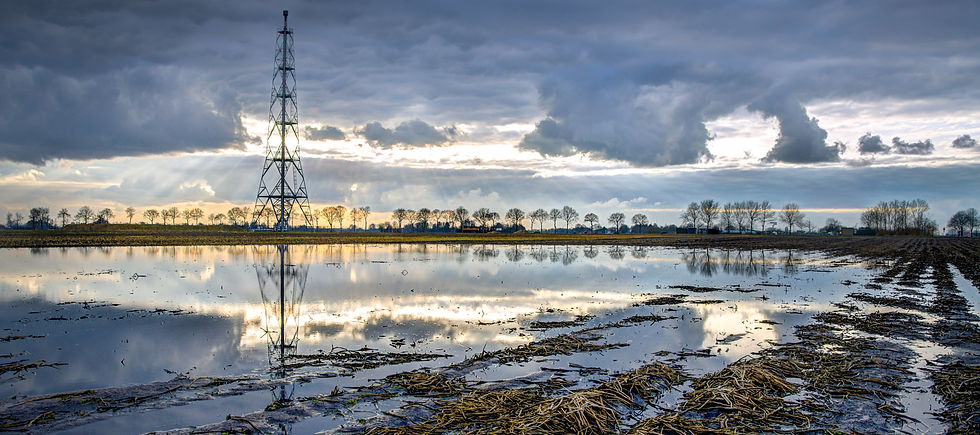
Over recent months, Greece has experienced increasingly frequent episodes of extreme rainfall, significantly disrupting everyday life. Depending on their duration and intensity, such events can rapidly trigger flooding—particularly in urban areas—while heavy precipitation also accelerates soil erosion and increases the risk of landslides, further compounding their impacts.
A recent example is Storm Byron, which struck on December 4, 2025, severely affecting multiple regions. In Attica and the Peloponnese, homes were flooded and major roads were closed due to elevated water levels. In Crete, landslides and road damage were reported, with several streets rendered temporarily inaccessible.
According to Euronews (2025), a recent study indicates that severe storms in Greece are becoming increasingly destructive as a result of climate change—findings that align with assessments by the Intergovernmental Panel on Climate Change (IPCC).
These extreme events extend far beyond disruptions to transportation and daily routines. They can cause substantial damage to infrastructure and property, lead to injuries, and, in severe cases, result in loss of life. For businesses, the effects of heavy rainfall vary by sector. Companies operating outdoors—such as those in construction, transport, public transit, and logistics—often face delays, temporary shutdowns, and higher operating costs. At the same time, flooding can impact virtually any business by damaging inventory, equipment, buildings, and other critical assets.
In an era of accelerating climate change, projecting and assessing physical risks has become essential. Doing so enables organizations to adapt operations, invest strategically in sustainability, and strengthen long-term resilience.
Through the RIBIA and RiskClima platforms, we support companies in meeting the requirements of the Corporate Sustainability Reporting Directive (CSRD), which now mandates timely assessment and disclosure of climate-related risks alongside sustainability strategies.
Extreme precipitation events cause significant damage to infrastructure, transportation systems, and property. Now more than ever, the projection and assessment of physical risks have become essential to ensuring business sustainability.
These extreme events extend far beyond disruptions to transportation and daily routines. They can cause substantial damage to infrastructure and property, lead to injuries, and, in severe cases, result in loss of life. For businesses, the effects of heavy rainfall vary by sector. Companies operating outdoors—such as those in construction, transport, public transit, and logistics—often face delays, temporary shutdowns, and higher operating costs. At the same time, flooding can impact virtually any business by damaging inventory, equipment, buildings, and other critical assets.
In an era of accelerating climate change, projecting and assessing physical risks has become essential. Doing so enables organizations to adapt operations, invest strategically in sustainability, and strengthen long-term resilience.
Through the RIBIA και RiskClima platforms, we support companies in meeting the requirements of the Corporate Sustainability Reporting Directive (CSRD), which now mandates timely assessment and disclosure of climate-related risks alongside sustainability strategies.
Source: https://www.euronews.com/green/2025/04/03/greece-storms-were-made-wetter-and-more-destructive-by-cl…
The RiskClima project was implemented within the framework of the program “Development of Digital Products and Services” of the National Recovery and Resilience Plan “Greece 2.0,” with funding from the European Union – NextGenerationEU.
